|
|
Last Modified on Jul 02, 2026
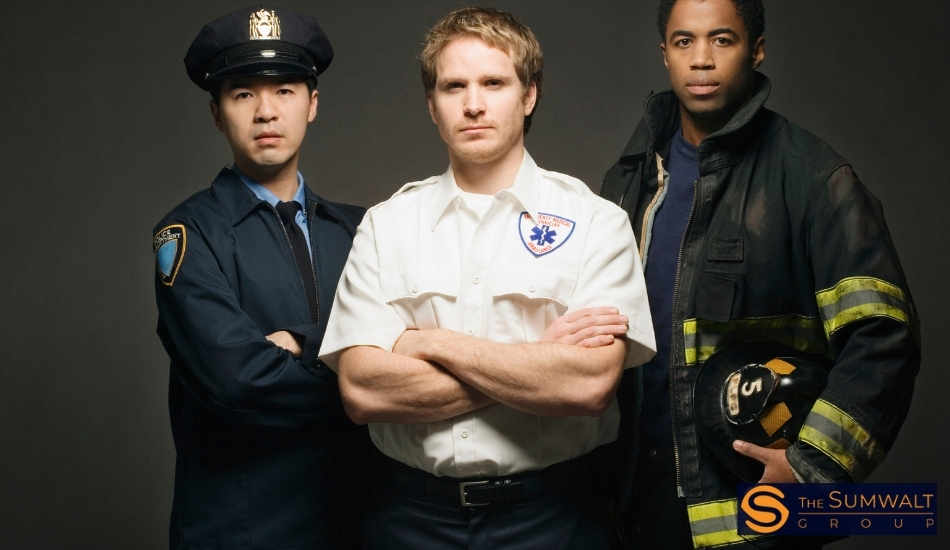
First responders across North Carolina put themselves in harm’s way every day to protect communities from Charlotte to Raleigh, Asheville to Wilmington. When firefighters, police officers, EMTs, and other emergency personnel suffer injuries on the job, workers’ compensation for first responders in North Carolina can provide critical benefits.
Our lawyers help injured workers understand their rights and pursue the compensation they may deserve under North Carolina law.
Understanding Workers’ Compensation for North Carolina First Responders
First responders face some of the most demanding working conditions in the state. Unlike many occupations, emergency response work often involves immediate danger, unpredictable environments, physical exertion, and exposure to hazardous situations. When an injury happens, workers’ compensation benefits can help cover medical treatment, lost wages, and other expenses connected to the workplace injury.
North Carolina’s workers’ compensation system is designed to provide benefits regardless of whether an employer or employee was at fault for an accident. However, obtaining the full benefits available under the law is not always simple. Insurance companies may question the severity of an injury, dispute whether it occurred while performing job duties, or challenge the amount of compensation an injured first responder should receive.
Because of the unique risks involved in emergency services, first responders’ workers’ comp cases often require careful attention to medical records, employment documentation, accident reports, and applicable state regulations. Working with an experienced North Carolina workers’ compensation attorney can help injured first responders better understand their options and protect their claims.
Common Injuries First Responders Experience on the Job
Police officers, firefighters, EMTs, and other emergency personnel frequently experience injuries that are more serious than typical workplace accidents. The physical and emotional demands of these professions can create immediate injuries as well as conditions that develop over time. In 2024, 53,575 firefighters alone suffered injuries in the line of duty.
Some common injuries seen in first responders include:
- Back, neck, and spinal injuries. Lifting patients, carrying equipment, responding to emergencies, and operating in dangerous environments can lead to strains, herniated discs, and other serious conditions.
- Broken bones and traumatic injuries. Falls, vehicle collisions, building collapses, and emergency scenes can result in fractures, crush injuries, and other severe physical harm.
- Burns and exposure injuries: Firefighters and emergency personnel may encounter flames, chemicals, smoke, and hazardous materials that cause long-term health complications.
- Hearing damage. Repeated exposure to sirens, explosions, machinery, and emergency equipment can contribute to hearing loss.
- Respiratory illnesses. Exposure to smoke, chemicals, and other airborne hazards may result in breathing problems or occupational illnesses.
- Post-traumatic stress and psychological injuries. Responding to traumatic events, accidents, and life-threatening situations can impact a first responder’s mental health. Depending on the circumstances, psychological conditions may play a role in a workers’ compensation claim.
Not every injury is immediately obvious. Some first responders continue working despite worsening symptoms because they feel pressure to stay on duty. Delaying medical treatment or failing to report an injury promptly, however, can create challenges when pursuing workers’ compensation benefits.
How North Carolina Workers’ Comp Laws Protect First Responders
Workers’ comp laws in North Carolina provide several types of benefits for employees injured while performing their job duties. These benefits are intended to help injured workers recover physically and financially after an occupational injury. Depending on the circumstances, available benefits may include:
Medical Benefits
Workers’ compensation generally covers reasonable and necessary medical treatment related to a workplace injury. For first responders, this may include emergency care, surgeries, rehabilitation, prescription medications, physical therapy, and follow-up appointments. Because many first responder injuries require ongoing treatment, making sure medical care is properly approved and covered is an important part of the claims process.
Temporary Disability Benefits
According to a recent study, 10% of EMTs and paramedics in the U.S. miss work due to a job injury or illness. If an injury prevents a first responder from returning to work, temporary disability benefits may provide partial wage replacement during recovery. These benefits can help injured workers manage household expenses while they are unable to perform their regular duties.
Permanent Disability Benefits
Some workplace injuries result in permanent limitations that affect a first responder’s ability to continue working. Permanent disability benefits may be available when an injury causes lasting impairment.
Determining the extent of permanent disability often involves medical evaluations, impairment ratings, and consideration of how the injury affects the worker’s ability to perform job responsibilities.
Vocational Rehabilitation
In certain situations, a first responder may be unable to return to their previous position because of physical limitations. Workers’ compensation may provide vocational rehabilitation services to assist with training or finding suitable employment.
Why First Responders May Face Challenges With Workers’ Compensation Claims
Although workers’ compensation is intended to provide benefits to injured employees, claims involving first responders can become complicated. Employers and insurance companies may raise disputes regarding whether an injury qualifies for coverage or whether certain benefits should be paid.
Some common challenges include:
- Disagreements about whether the injury occurred during work duties
- Claims that a condition is unrelated to employment
- Disputes over medical treatment recommendations
- Questions regarding wage calculations
- Delays in approving benefits
- Attempts to minimize the severity of an injury
First responders may also encounter difficulties because some injuries develop gradually rather than happening in a single accident. For example, repetitive stress injuries, occupational illnesses, and certain physical conditions may require additional evidence connecting the condition to employment.
A knowledgeable North Carolina workers’ compensation attorney can help gather documentation, communicate with insurance carriers, and address disputes that arise during the claims process.
Reporting a Workplace Injury in North Carolina
One of the most important steps after a workplace injury is reporting it as soon as possible. North Carolina employees should notify their employer about a work-related injury promptly.
Failing to report an injury can create unnecessary complications and may give an insurance company an opportunity to argue that the injury did not occur at work. First responders should also:
- Seek medical attention when needed
- Follow medical recommendations
- Keep records of treatment and expenses
- Document how the injury affects daily activities
- Maintain communication with their employer regarding work restrictions
Taking these steps can help create a stronger foundation for a workers’ compensation claim.
How The Sumwalt Group Workers’ Comp and Trial Lawyers Help Injured First Responders
The Sumwalt Group Workers’ Comp and Trial Lawyers understand the sacrifices made by North Carolina’s first responders and the challenges that can follow a serious workplace injury. Navigating a workers’ compensation claim while recovering from an injury can be overwhelming, especially when dealing with medical appointments, lost income, and uncertainty about the future.
The firm helps injured workers understand their rights, evaluate their claims, and pursue available benefits under North Carolina’s workers’ compensation system.
Every case is different, and the details surrounding an injury matter. Whether a claim involves a sudden accident, an occupational condition, or a dispute with an insurance company, having experienced guidance can make a meaningful difference.
FAQs
How Long Does a First Responder Have to File a Workers’ Compensation Claim?
North Carolina has deadlines that apply to workers’ compensation claims, and missing those deadlines may affect a person’s ability to seek benefits. The timeline can vary depending on the type of injury, reporting requirements, and claim circumstances. Acting promptly after an injury helps preserve important evidence and protects a first responder’s legal rights.
Can a First Responder Receive Benefits for a Work-Related Occupational Disease?
Some occupational illnesses may qualify for workers’ compensation when they are connected to workplace conditions. First responders can face unique exposures that may contribute to certain diseases over time. Establishing a connection between employment and illness often requires detailed medical evidence, workplace information, and documentation showing how job duties contributed to the condition.
What Evidence Can Strengthen a First Responder Workers’ Compensation Claim?
Strong claims often rely on detailed documentation showing how an injury occurred and how it impacts the worker. Helpful evidence may include incident reports, medical records, witness statements, employment documents, and communications regarding the injury. Keeping organized records can make it easier to demonstrate the connection between workplace duties and resulting limitations.
Are Mental Health Conditions Covered in First Responder Workers’ Compensation Claims?
Mental health-related claims can involve complex legal and medical considerations. First responders may experience significant emotional challenges due to repeated exposure to traumatic events. Whether a psychological condition qualifies depends on the facts of the situation, applicable North Carolina requirements, and supporting evidence that connects the condition to workplace experiences.
Hire a Workers’ Compensation Lawyer
You dedicated your career to protecting the people of North Carolina. When you are injured while serving your community, you deserve to focus on recovery instead of battling insurance companies over the benefits you need. The Sumwalt Group Workers’ Comp and Trial Lawyers understand the challenges injured first responders face and can help you navigate the workers’ compensation process.
If you are dealing with denied benefits, delayed medical care, lost wages, or uncertainty about your claim, it may be time to hire a workers’ compensation lawyer who understands North Carolina workplace injury laws. The Sumwalt Group Workers’ Comp and Trial Lawyers can help protect your rights, explain your legal options, and pursue the benefits you may deserve. Contact the firm today to discuss your injury and learn how experienced guidance can help you move forward.